
Posted by: Eye Health Northwest in Macular Degeneration on February 2, 2026
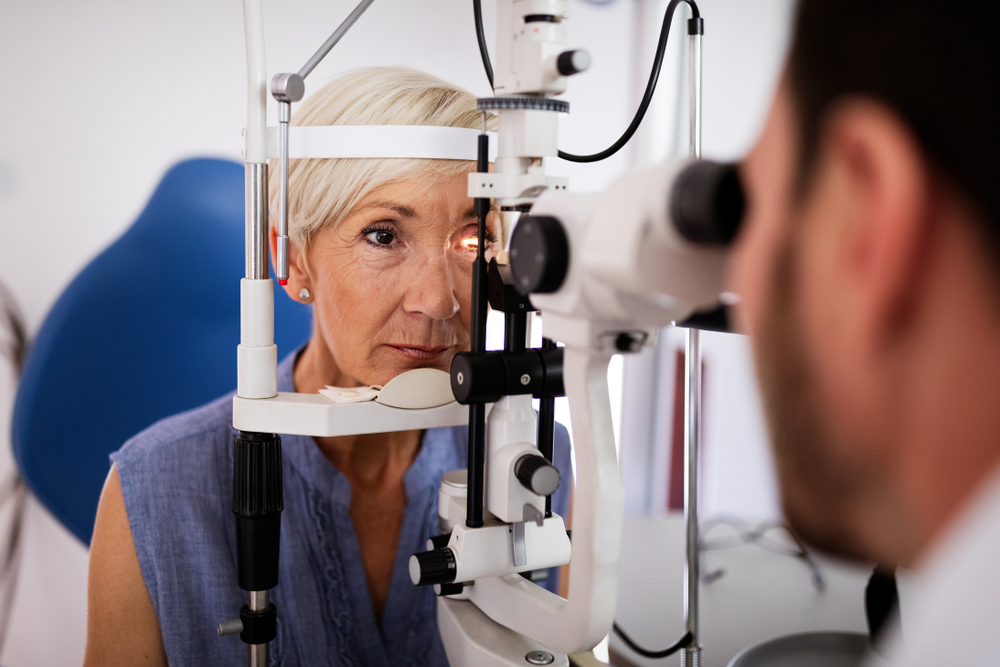
February is Macular Degeneration Awareness Month, making it a perfect time to learn more about this leading cause of vision loss among older adults. Age-related macular degeneration (AMD) affects millions of Americans, particularly those over 50.
While many people have heard of macular degeneration, fewer understand that it comes in two distinct forms with different characteristics and treatment approaches. Keep reading to learn more about the difference between dry and wet macular degeneration, and how you can protect your vision from this common condition.
What is Macular Degeneration?
Macular degeneration affects the macula, a small but essential part of your retina. The macula sits at the center of your visual field and is responsible for the sharp, detailed vision you need for reading, driving, and recognizing faces.
When macular degeneration develops, you lose central vision while your peripheral vision remains intact. For example, you might see the numbers on a clock but not the hands pointing to them.
AMD typically appears in people over 50 and ranks as a leading cause of vision loss in this age group. The condition takes two basic forms that differ significantly in how they develop, progress, and respond to treatment:
Dry Macular Degeneration
Dry AMD is by far the more common form, affecting about 80% of people with macular degeneration. This type develops when tiny deposits called drusen slowly accumulate beneath the macula. These yellow deposits indicate that the cells in your macula are aging and may be at risk for further problems.
As dry AMD progresses, parts of the macula can become thinner with age. Some people develop pigment abnormalities in the retina, while others may experience geographic atrophy (areas where retinal cells have been lost).
Vision changes in dry AMD typically occur gradually over months or years rather than suddenly. Your sight might be clearer on some days than others before it slowly worsens.
Right now, treatment options for dry AMD focus on slowing progression rather than reversing damage. If you have geographic atrophy, newer medications injected into your eye may help slow its progression.
For many people with drusen and early dry AMD, taking a specific combination of vitamins and minerals (known as AREDS2 supplements) can help slow disease progression. Your ophthalmologist at EyeHealth Northwest can determine whether these supplements are right for you.
Wet Macular Degeneration
Wet AMD is less common but far more serious. This form occurs when abnormal blood vessels begin developing beneath your retina.
These vessels are fragile and prone to leaking blood or fluid, which can accumulate under the macula and cause scarring. The damage from wet AMD happens much faster than with the dry form, and vision loss can be severe.
Here’s something many people don’t realize: dry AMD can progress to wet AMD in some cases. This is why regular monitoring is essential if you’ve been diagnosed with any form of macular degeneration. Watch for sudden changes in your vision, such as straight lines appearing wavy or distorted, dark spots in your central vision, or blurry areas that appear quickly.
The good news is that treatments for wet AMD have advanced significantly. Anti-VEGF medications can be injected into your eye to reduce the abnormal blood vessel growth and slow fluid leakage.
Many patients see their vision stabilize or even improve with these treatments, especially when caught early. Some patients may also benefit from laser therapy to seal leaking vessels. The fellowship-trained vitreoretinal specialists at EyeHealth Northwest can evaluate your condition and recommend the most appropriate treatment.
This Macular Degeneration Awareness Month, take the opportunity to get your eyes examined and learn more about protecting your vision as you age. Schedule a comprehensive eye exam at EyeHealth Northwest in Portland, OR, today!